400 g
Fruit & veg per day
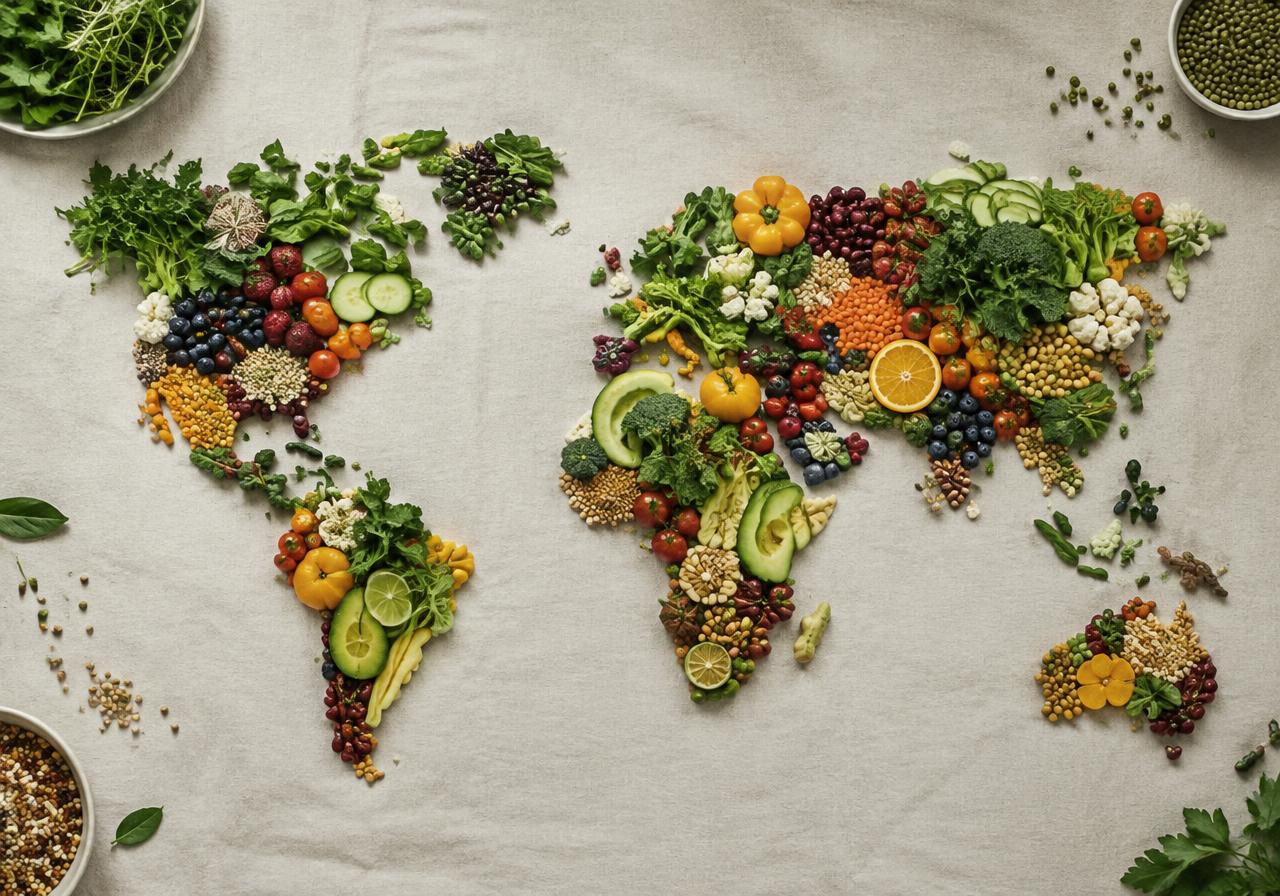
WHO recommends at least 400 g (five portions) of fruit and vegetables daily.
Source: WHO 2020
High protein snacks with 10–20 g of protein — healthy, cheap supermarket picks, vegetarian options and snacks to make at home.
Last reviewed: October 2026 · How we check our content
protein makes a filling snack
two snacks of about this size a day is the NHS Better Health guide for children; adults can aim for ~150–200 kcal
protein in a large egg
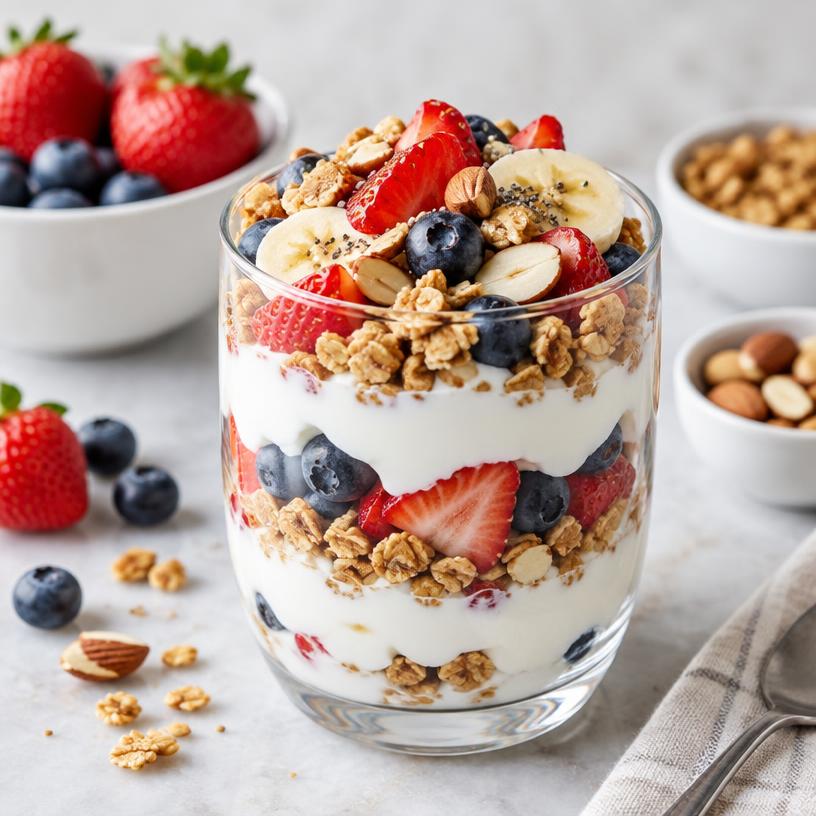
protein in a 170 g pot of 0% Greek-style yoghurt
| Snack | Protein (approx.) | kcal |
|---|---|---|
| Greek-style 0% yoghurt (170 g) | ~17 g | ~95 |
| Cottage cheese (150 g) with cherry tomatoes | ~16 g | ~140 |
| 2 boiled eggs | ~14 g | ~150 |
| Edamame beans (100 g) | ~11 g | ~120 |
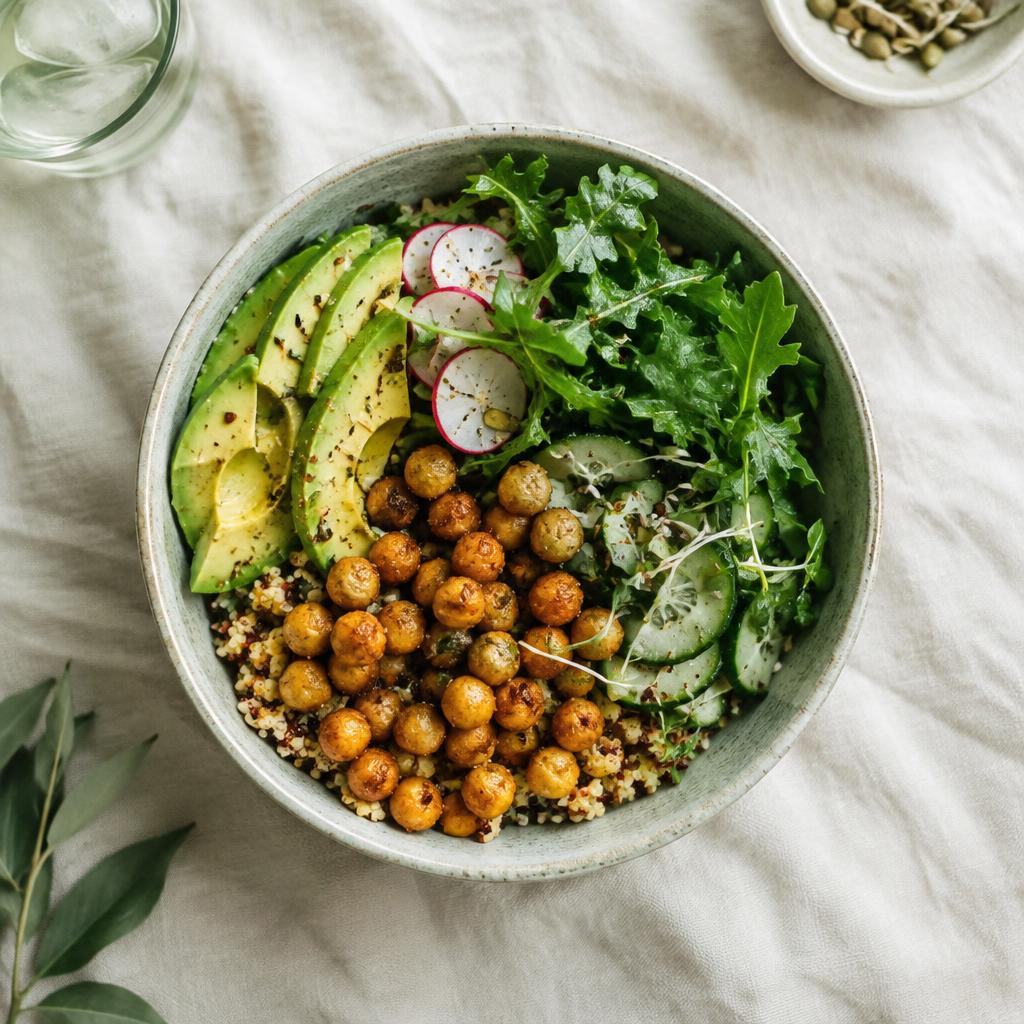
| Roasted chickpeas (40 g) | ~8 g | ~150 |
| Tinned tuna (half tin) on 2 oatcakes | ~14 g | ~150 |
| Turkey or chicken slices (50 g) with an apple | ~12 g | ~130 |
| Small handful of almonds (25 g) | ~5 g | ~150 |
| Skyr or high protein yoghurt pot | ~15–20 g | ~100–130 |
| Glass of milk (250 ml) | ~9 g | ~120 (semi-skimmed) |
Many protein bars are high in sugar or sweeteners and cost more than yoghurt or eggs.
Most people in the UK already eat enough protein; whole foods also give fibre, calcium and vitamins.
WHO recommends at least 400 g (five portions) of fruit and vegetables daily.
Source: WHO 2020
Low fruit and vegetable intake was linked to about 3.9 million deaths in 2017.
Source: WHO
Too few whole grains was the leading dietary risk for death worldwide, ahead of sugar.
Source: GBD, The Lancet 2019
Adults should get at least 25 g of natural fibre a day from vegetables, fruit, legumes and whole grains.
Source: WHO 2023
Greek-style yoghurt, skyr, cottage cheese, eggs, tuna and lean meat give the most protein per calorie.
Some are fine occasionally, but many are high in sugar or saturated fat. Whole food snacks are usually cheaper and more nutritious.
Edamame, roasted chickpeas, hummus with veg sticks, soya yoghurt, tofu bites and nuts.
General information based on UK public health sources, not medical advice. Calorie and nutrient figures are approximate. Speak to your GP or a registered dietitian before major diet changes, especially if you have a health condition such as kidney disease.