Healthy Food

Diet methods

An honest guide to the most popular diets (رجيم): how each works, a sample day, pros and cons, and who it suits. The best diet is one you can enjoy and keep.

Before you choose

0.5–1 kg

a week is a safe pace of weight loss for most adults

~500

kcal less per day is a typical starting deficit

#1

rule: the diet you can stick to beats the 'perfect' diet

1,200+

kcal a day is a common minimum without medical supervision

Balanced, evidence-based diets

Mediterranean diet

Top rated
How it works
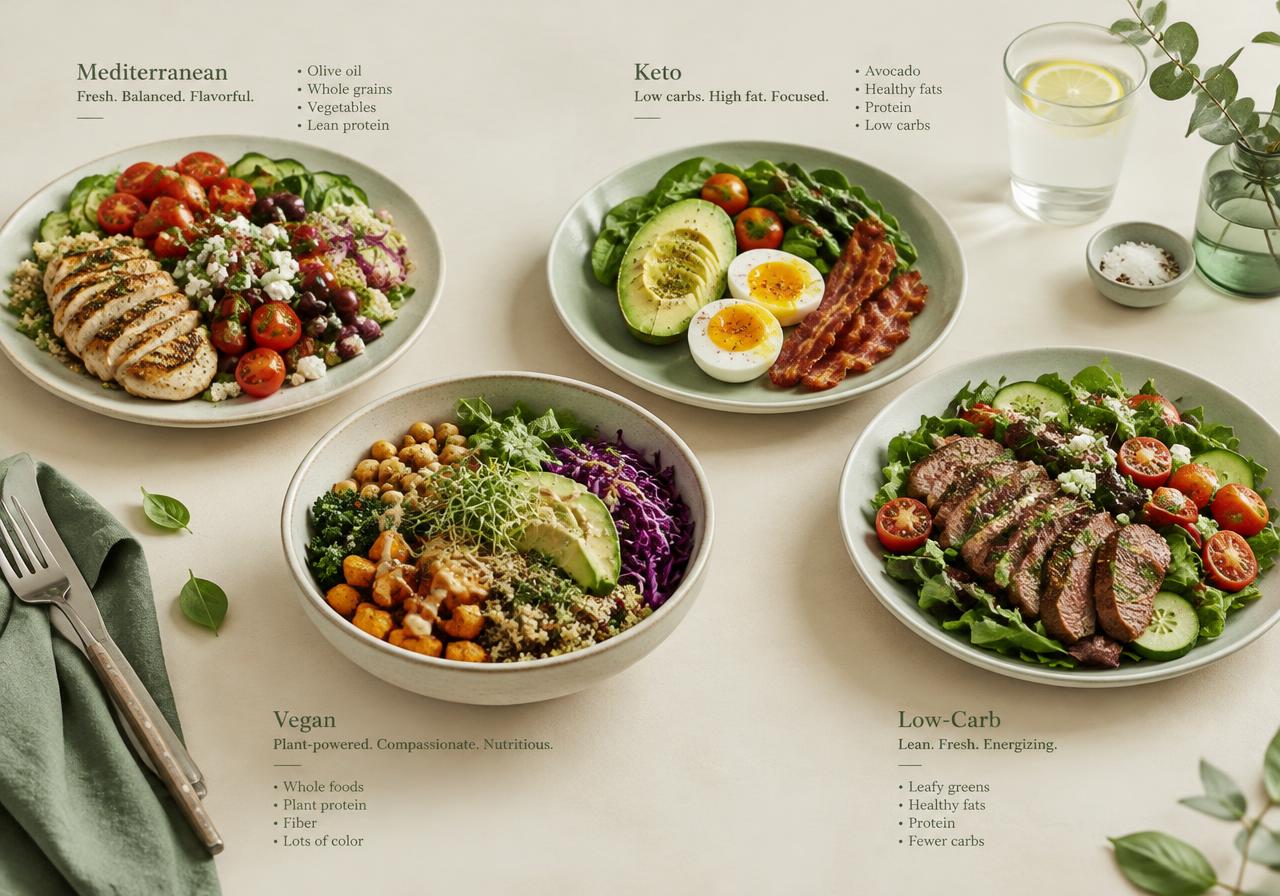
Built on vegetables, fruit, legumes, whole grains, olive oil, nuts and fish, with little red meat and sugar.
Sample day
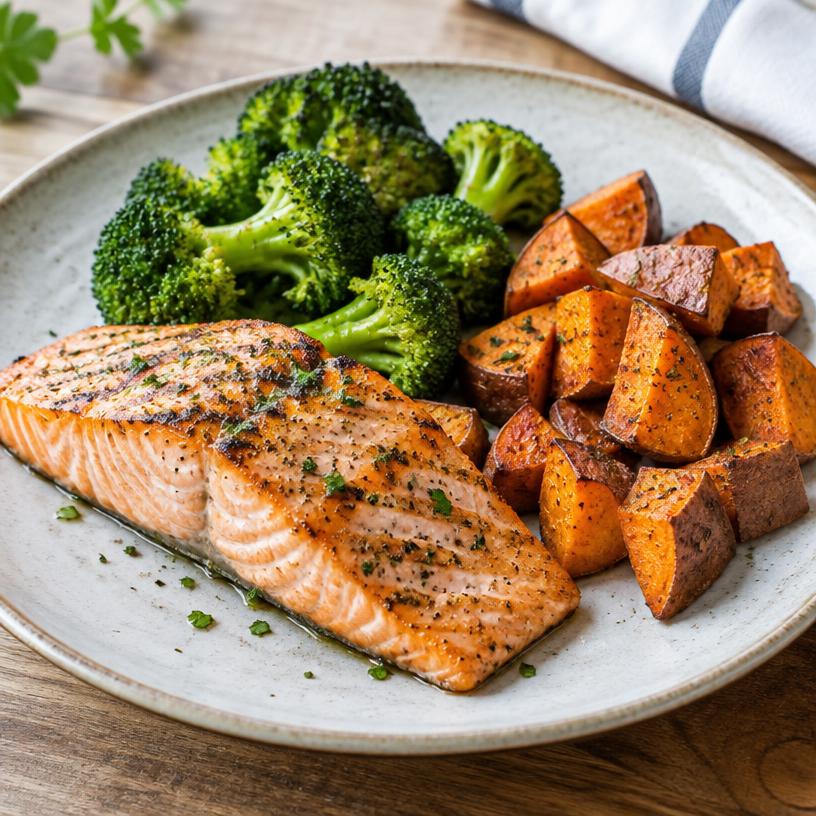
Oats with fruit · lentil salad with olive oil · grilled fish with vegetables and bulgur.
Pros
Strong evidence for heart health; flexible and tasty; suits Arab cuisine.
Cons
Weight loss is gradual; olive oil and nuts are calorie-dense.
Best for
Almost everyone, long term.
Take care / avoid if
Watch portions of oil, nuts and bread.

DASH diet

How it works
Designed to lower blood pressure: lots of vegetables, fruit, low-fat dairy and whole grains, low salt.
Sample day
Yoghurt and fruit · chicken salad with whole-wheat bread · vegetable soup and beans.
Pros
Proven to reduce blood pressure; balanced and safe.
Cons
Requires cooking and reading labels for salt.
Best for
People with high blood pressure or heart risk.
Take care / avoid if
Kidney disease — check potassium with your doctor.

Plate method

How it works
No counting: half the plate vegetables, a quarter whole grains, a quarter protein, water to drink.
Sample day
Eggs, vegetables and bread · plate of rice, chicken and salad · lentil soup and salad.
Pros
Very simple; works at home and when eating out.
Cons
Less precise for fast results.
Best for
Beginners and families.
Take care / avoid if
Little to avoid — a great default.

Calorie counting

How it works
Track what you eat with an app to stay within a daily calorie target.
Sample day
Any foods that fit your target, ideally balanced meals.
Pros
Precise; teaches portion sizes.
Cons
Time-consuming; can feel obsessive.
Best for
People who like data and structure.
Take care / avoid if
A history of eating disorders.

Lower-carb and higher-protein diets

Low-carb diet

How it works
Reduces bread, rice, pasta and sugar (usually 50–130 g carbs a day) and adds more vegetables, protein and healthy fats.
Sample day
Omelette with vegetables · chicken salad with avocado · fish with roasted vegetables.
Pros
Can reduce hunger and help blood sugar control.
Cons
Fibre may drop; some find it hard socially.
Best for
People with insulin resistance who prefer fewer starches.
Take care / avoid if
Diabetes medication users must adjust with a doctor.

Keto diet

Strict
How it works
Very low carbs (usually under 50 g a day) so the body burns fat for fuel (ketosis).
Sample day
Eggs and cheese · salad with olive oil and salmon · meat with green vegetables.
Pros
Fast early weight loss; may reduce appetite.
Cons
Hard to sustain; 'keto flu', constipation, possible cholesterol rise.
Best for
Short-term, with medical guidance.
Take care / avoid if
Pregnancy, kidney or liver disease, type 1 diabetes, eating disorders.

High-protein diet

How it works
Protein at every meal (about 1.2–1.6 g per kg body weight) with vegetables and whole grains.
Sample day
Greek yoghurt and nuts · tuna wrap · chicken, quinoa and salad.
Pros
Keeps you full; protects muscle while losing fat.
Cons
Can cost more; not suitable for everyone.
Best for
Active people and those doing strength training.
Take care / avoid if
Kidney disease.

Timing and plant-based diets

Intermittent fasting 16:8

How it works
Eat within an 8-hour window (e.g. 12 pm–8 pm) and fast for 16 hours, drinking water, tea or coffee.
Sample day
Lunch at 12 · snack at 4 · dinner at 7:30.
Pros
Simple rules; no food lists.
Cons
Can lead to overeating in the window; not for everyone.
Best for
Healthy adults who are not hungry in the morning.
Take care / avoid if
Pregnancy, diabetes on medication, eating disorders, teenagers.

Intermittent fasting 5:2

How it works
Eat normally 5 days a week and about 500–600 kcal on 2 non-consecutive days.
Sample day
Fasting day: eggs and vegetables · vegetable soup.
Pros
Flexible for the rest of the week.
Cons
Fasting days can cause tiredness and irritability.
Best for
People who prefer a few strict days to daily limits.
Take care / avoid if
Same cautions as 16:8.

Vegetarian / vegan

How it works
No meat (vegetarian) or no animal foods at all (vegan); protein from legumes, tofu, nuts, seeds and dairy/eggs if vegetarian.
Sample day
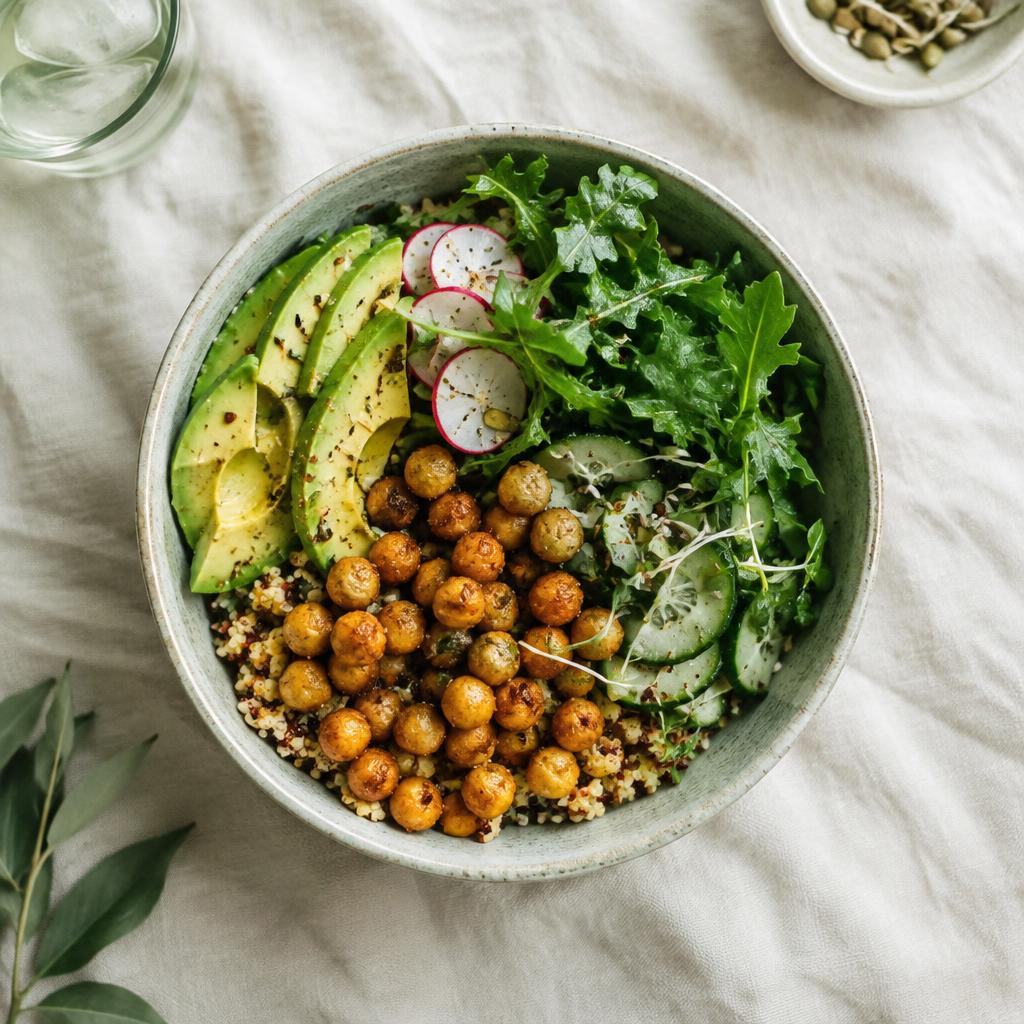
Oats with seeds · falafel and hummus salad · lentil and vegetable stew.
Pros
High in fibre; linked to lower heart risk.
Cons
Vegans need vitamin B12 and may need iron, iodine, omega-3.
Best for
People who want a plant-based lifestyle.
Take care / avoid if
Plan carefully for children, pregnancy and athletes.

Flexitarian

How it works
Mostly plant-based, with meat and fish a few times a week.
Sample day
Shakshuka · bean salad · chicken twice a week.
Pros
Easy middle ground; good for health and budget.
Cons
Results depend on overall food quality.
Best for
Anyone wanting to eat more plants without strict rules.
Take care / avoid if
Little to avoid.

Quick comparison

DietEaseWeight lossHeart healthLong-term
MediterraneanEasyModerateExcellentExcellent
DASHModerateModerateExcellentVery good
Plate methodVery easyModerateVery goodExcellent
Low-carbModerateGoodGoodGood
KetoHardFast at firstMixedLimited
High-proteinModerateGoodGoodGood
Fasting 16:8 / 5:2ModerateGoodGoodVaries
Vegetarian / veganModerateGoodVery goodVery good

Avoid these diet traps

Our tip

Start with the Mediterranean diet or the plate method. They are flexible, fit Arabic home cooking, and have the strongest evidence for long-term health.

World health facts

All facts
Myth

"Brown sugar and honey are healthy"

Fact: they are still free sugars and count toward the WHO daily limit.

Source: WHO 2015

Myth

"Carbs make you fat"

Fact: excess calories cause weight gain. Whole-grain carbs and legumes protect health.

Source: WHO / Harvard T.H. Chan

Myth

"All fat is bad"

Fact: unsaturated fats from olive oil, nuts and fish are good for the heart.

Source: WHO 2023

Myth

"Skipping breakfast burns fat"

Fact: total daily intake and food quality matter most; a fibre- and protein-rich breakfast helps many people control appetite.

Source: BMJ 2019

Related articles

More in Body & Weight

General information, not medical advice. Check with your doctor before starting a diet, especially keto or fasting, if you are pregnant, have diabetes, kidney disease or take medication.