~2B
People lacking key micronutrients
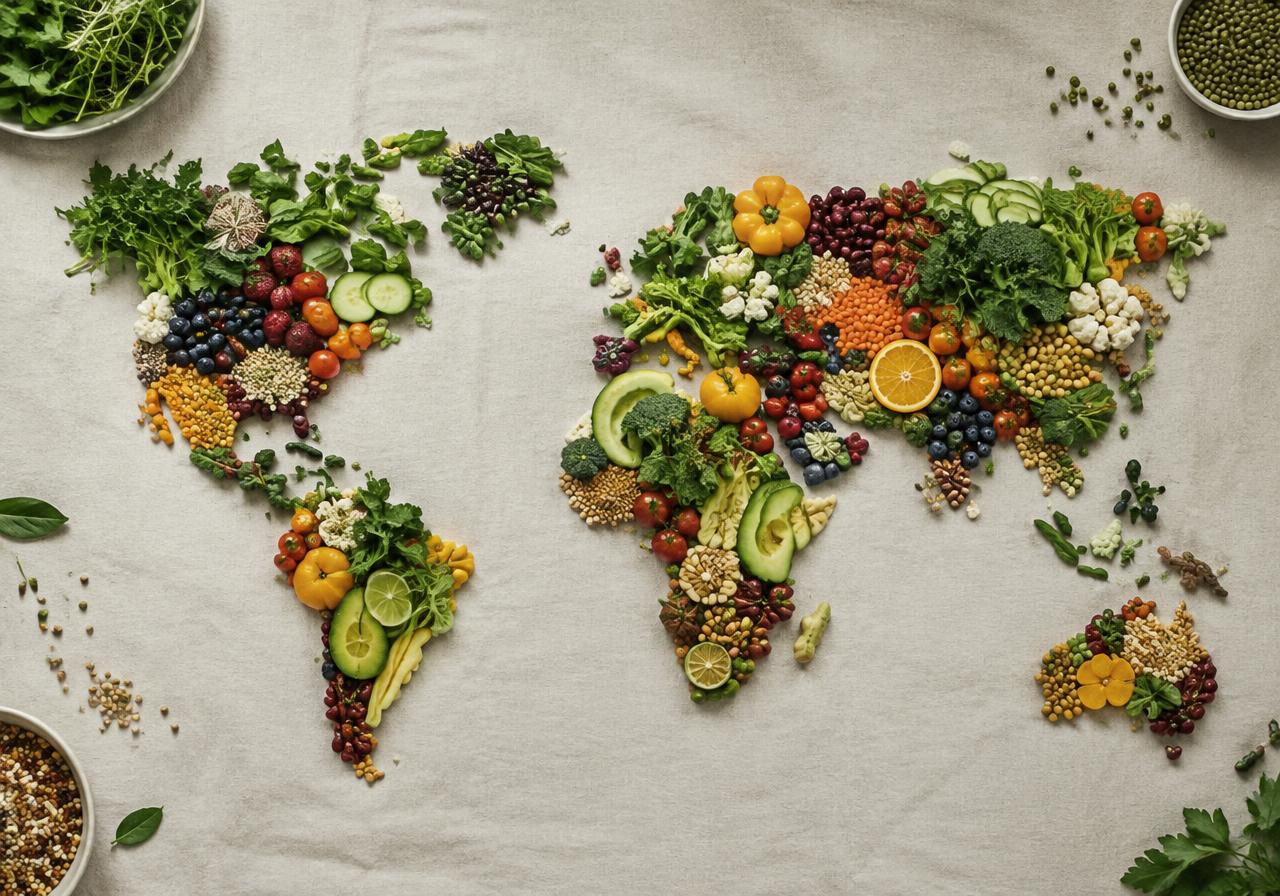
Around 2 billion people lack essential vitamins and minerals such as iron, zinc, iodine and vitamin A.
Source: WHO
A UK list of foods high in potassium per portion, how much you need a day, and who should be careful with potassium.
Last reviewed: October 2026 · How we check our content
a day — UK reference intake for adults
potassium in a medium banana
in a medium jacket potato with skin
more potassium and less salt helps blood pressure
| Food | Portion | Potassium (approx.) |
|---|---|---|
| Jacket potato with skin | 1 medium (180 g) | ~900 mg |
| Dried apricots | 6 halves (50 g) | ~800 mg |
| Butter beans / kidney beans | Half tin (120 g) | ~400–500 mg |
| Spinach (cooked) | 80 g | ~400 mg |
| Banana | 1 medium | ~400 mg |
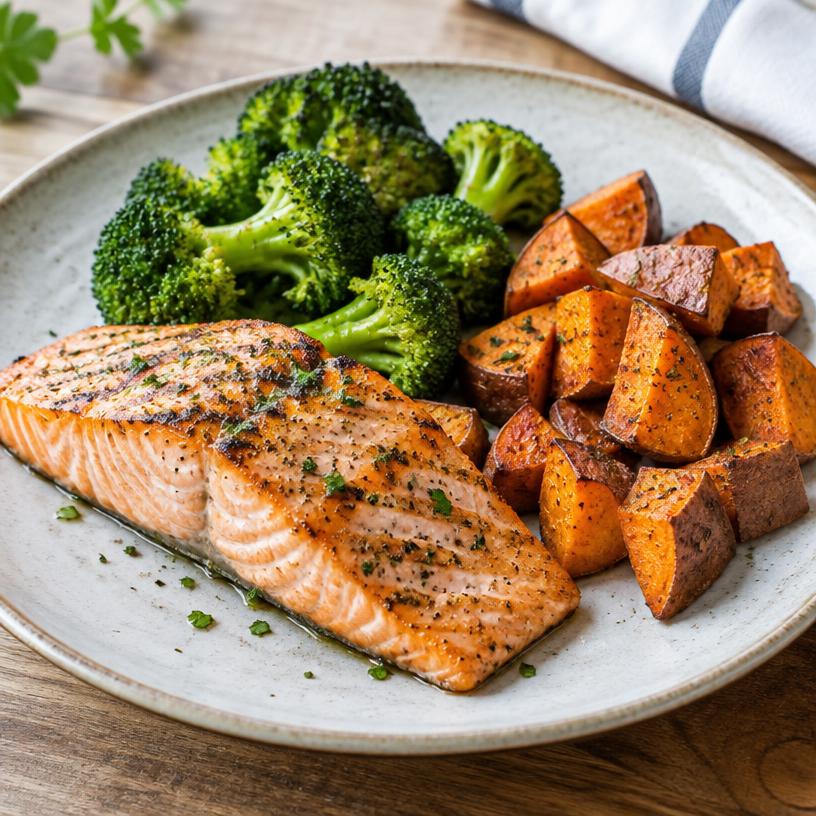
| Salmon | 100 g fillet | ~400 mg |
| Avocado | Half | ~350 mg |
| Lentils (cooked) | 120 g | ~370 mg |
| Milk | 250 ml glass | ~400 mg |
| Plain yoghurt | 150 g pot | ~350 mg |
| Tomatoes / tomato purée | 80 g / 1 tbsp | ~200–250 mg |
| Orange | 1 medium | ~250 mg |
If you have kidney disease or take some blood pressure medicines (ACE inhibitors, potassium-sparing diuretics), you may need less potassium. Follow your kidney team's advice and avoid potassium salt substitutes unless told otherwise.
Around 2 billion people lack essential vitamins and minerals such as iron, zinc, iodine and vitamin A.
Source: WHO
Nearly a third of women of reproductive age are anaemic, often due to iron deficiency.
Source: WHO 2023
About 40% of children aged 6–59 months worldwide have anaemia.
Source: WHO 2023
Around a billion people are vitamin D deficient — common in the Middle East despite the sun, due to covered skin and indoor life.
Source: Nutrients reviews
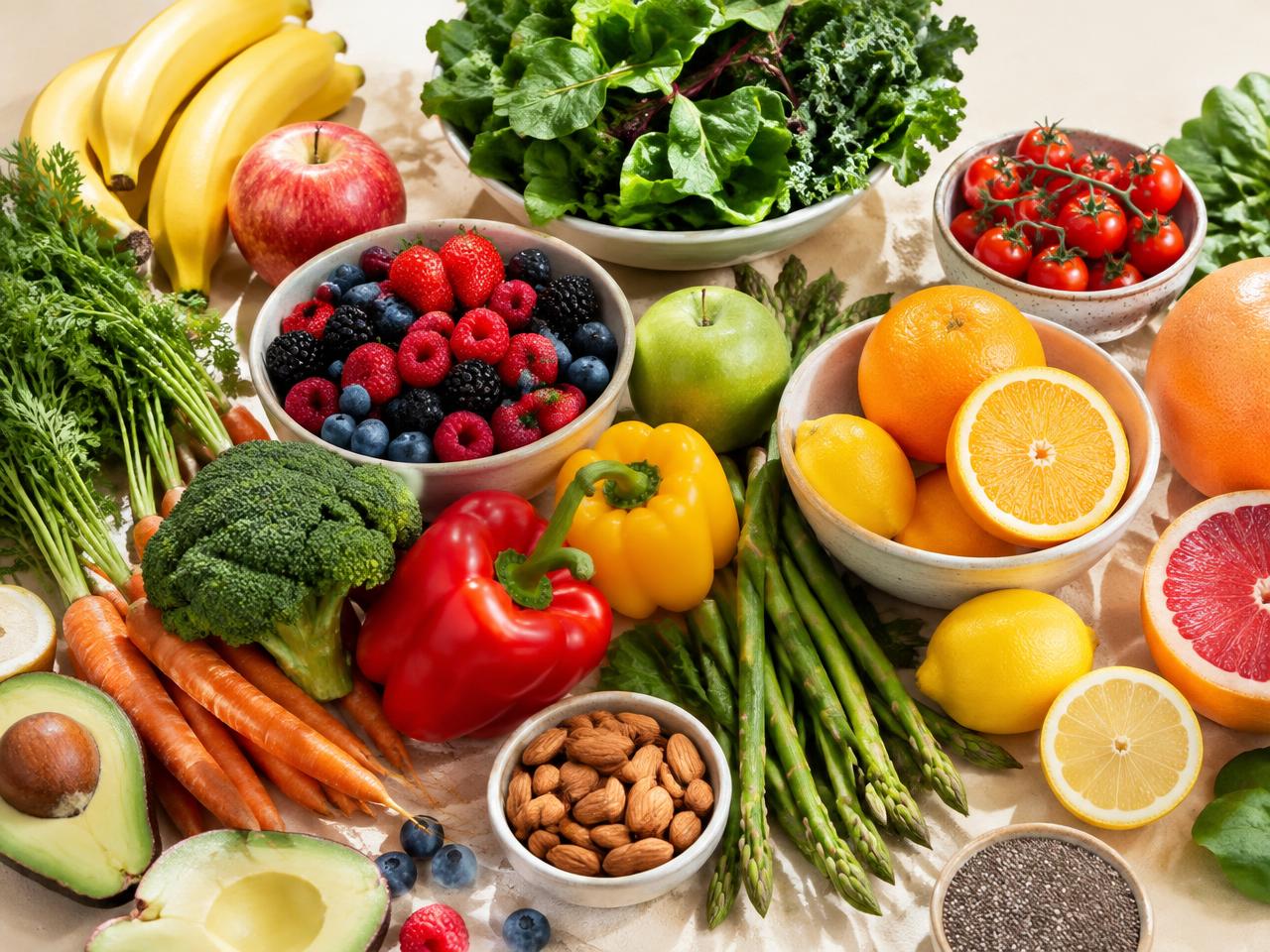
Potatoes with skins, dried apricots, beans, spinach, bananas, salmon and milk are among the richest everyday sources.
The UK reference intake for adults is 3,500 mg a day, which most people can get from a varied diet.
Not usually. Too much potassium can be harmful, so only take supplements if a doctor advises it.
General information based on UK public health sources, not medical advice. Calorie and nutrient figures are approximate. Speak to your GP or a registered dietitian before major diet changes, especially if you have a health condition such as kidney disease.