~2B
People lacking key micronutrients
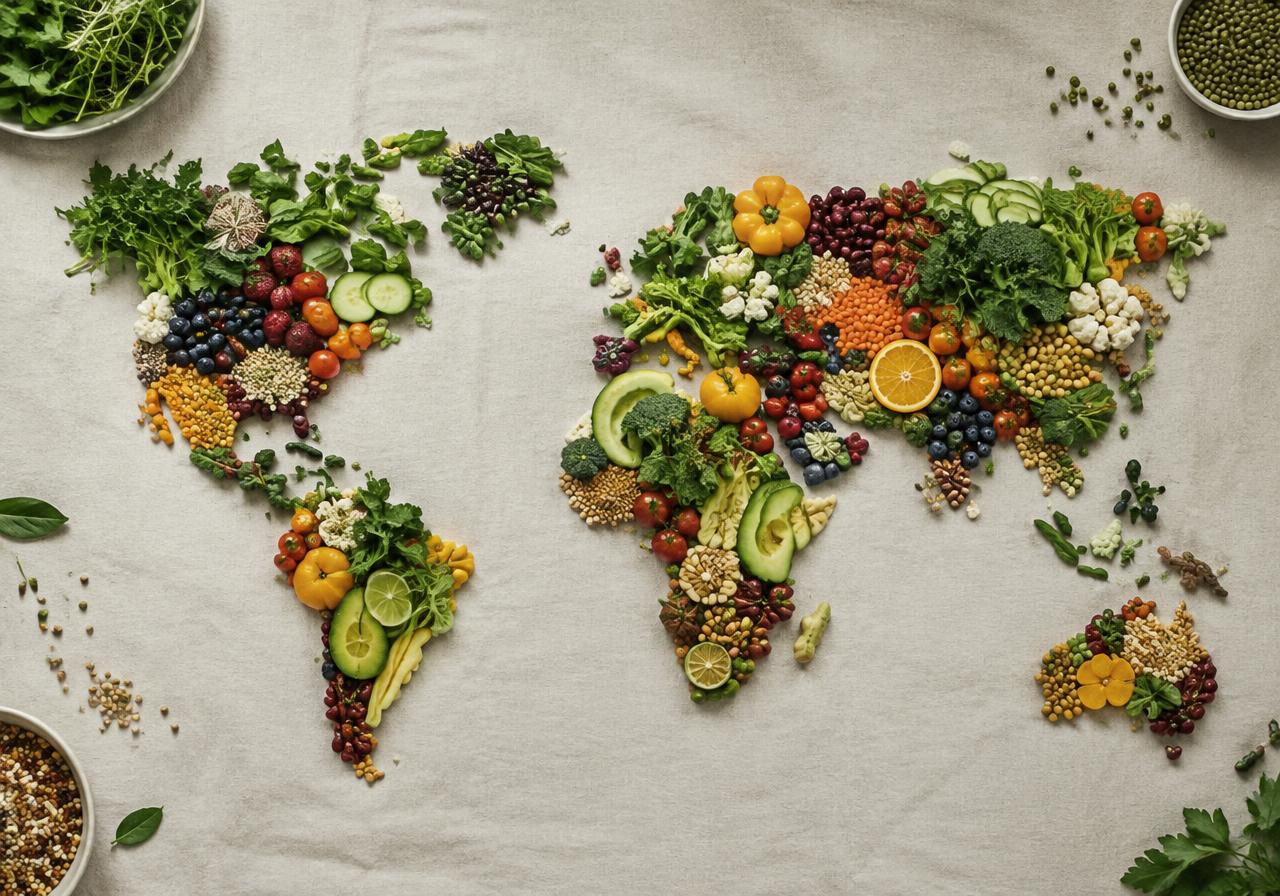
Around 2 billion people lack essential vitamins and minerals such as iron, zinc, iodine and vitamin A.
Source: WHO
A UK list of foods high in iron — meat, fish, plant and breakfast options — how much you need, and how to absorb more.
Last reviewed: October 2026 · How we check our content
a day for men over 18 and women over 50
a day for women aged 19–50
UK girls and women aged 11–50 have low iron intakes (NDNS)
is the most most people should take as a supplement a day without advice
| Food | Portion | Iron |
|---|---|---|
| Fortified breakfast cereal | 30 g | ~4 mg |
| Lean beef steak | 100 g | ~2.5 mg |
| Lentils (cooked) | 120 g | ~3 mg |
| Chickpeas / kidney beans | 120 g | ~2 mg |
| Tofu (firm) | 100 g | ~2–3 mg |
| Sardines, tinned | 100 g | ~2.5 mg |
| Spinach (cooked) | 80 g | ~1.3 mg |
| Dried apricots | 4 pieces | ~1 mg |
| Pumpkin seeds | 30 g | ~2.5 mg |
| Eggs | 2 large | ~2 mg |
| Wholemeal bread | 2 slices | ~1.5 mg |
Around 2 billion people lack essential vitamins and minerals such as iron, zinc, iodine and vitamin A.
Source: WHO
Nearly a third of women of reproductive age are anaemic, often due to iron deficiency.
Source: WHO 2023
About 40% of children aged 6–59 months worldwide have anaemia.
Source: WHO 2023
Around a billion people are vitamin D deficient — common in the Middle East despite the sun, due to covered skin and indoor life.
Source: Nutrients reviews
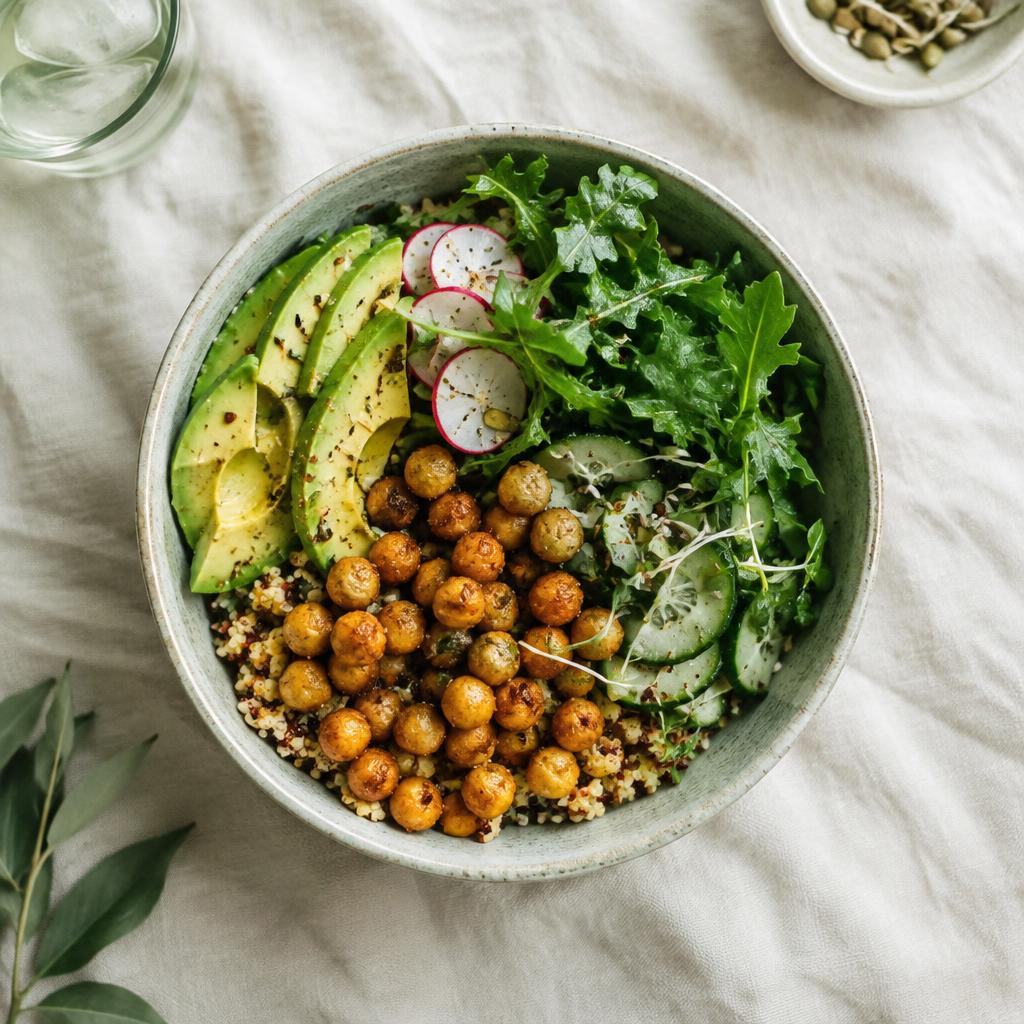
Fortified cereals, red meat, liver, lentils, beans, tofu, pumpkin seeds, sardines and dark green vegetables are good sources.
Eat iron-rich foods with vitamin C and see a GP — if a blood test shows anaemia, they may prescribe iron tablets, which work faster than diet alone.
Eggs contain some iron, about 1 mg per egg, but it is less well absorbed than iron from meat.
General information based on UK public health sources, not medical advice. Speak to your GP, pharmacist or a registered dietitian before major diet changes or starting supplements, especially if you are pregnant, have a health condition or take medication.