1B+
People living with obesity
In 2022 more than 1 billion people worldwide were living with obesity.
Source: WHO / The Lancet 2024
How intermittent fasting works — 16:8, 5:2 and alternate-day — what the research shows, a sample 16:8 schedule, and who should not fast.
fast 16 hours, eat in an 8-hour window — the most popular method
eat normally 5 days, about 500–600 kcal on 2 non-consecutive days
weight loss to everyday calorie cutting in most trials
drinks during the fast: water, black coffee, plain tea
For example eat 10am–6pm. Easy to fit around work and often reduces late-night snacking.
Two low-calorie days a week. Popularised in the UK; needs planning on fast days.
Very low intake every other day. Harder to stick to long term.
A gentle start: overnight 12-hour fast, e.g. 7pm–7am.
| Time | What to have |
|---|---|
| 7am | Water, black coffee or tea |
| 10am | First meal: eggs, wholemeal toast, tomatoes |
| 1:30pm | Lentil or chicken salad with wholegrains |
| 4pm | Yoghurt and berries or a handful of nuts |
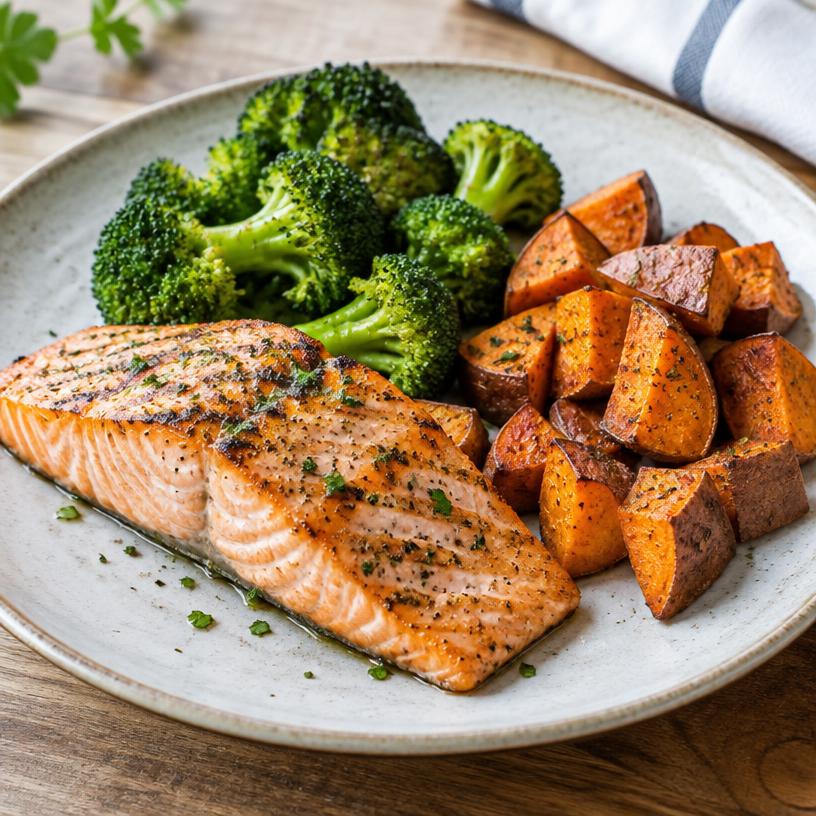
| 6pm | Last meal: salmon, vegetables and new potatoes |
| 6pm–10am | Fasting — water and calorie-free drinks only |
Fasting only works if meals in the eating window are balanced — fill up on protein, vegetables and wholegrains rather than overeating.
In 2022 more than 1 billion people worldwide were living with obesity.
Source: WHO / The Lancet 2024
43% of adults aged 18+ were overweight in 2022, and 890 million of them had obesity.
Source: WHO 2024
Worldwide adult obesity more than doubled between 1990 and 2022.
Source: WHO 2024
Obesity among adolescents aged 5–19 quadrupled from 1990 to 2022.
Source: WHO 2024
It can, mainly because it reduces total calories. Research shows weight loss similar to standard calorie-reduced diets.
Yes — black coffee, plain tea and water have virtually no calories. Milk, sugar and syrups break the fast.
For most healthy adults it is generally safe. It is not suitable for some groups, including pregnant women and people on diabetes medication, without medical advice.
General information based on UK public health sources, not medical advice. Speak to your GP or a registered dietitian before major diet changes, especially if you are pregnant, have a health condition or take medication.