1B+
People living with obesity
In 2022 more than 1 billion people worldwide were living with obesity.
Source: WHO / The Lancet 2024
Lasting weight change comes from small daily habits — balanced meals, regular activity and good sleep — not crash diets.

adults worldwide live with obesity (WHO)
weight loss improves blood pressure and blood sugar
for your brain to register fullness
sleep helps regulate appetite hormones
Weight changes when the energy you eat and drink differs from the energy you use over time.
Slow, steady loss is easier to keep off than fast loss and protects muscle.
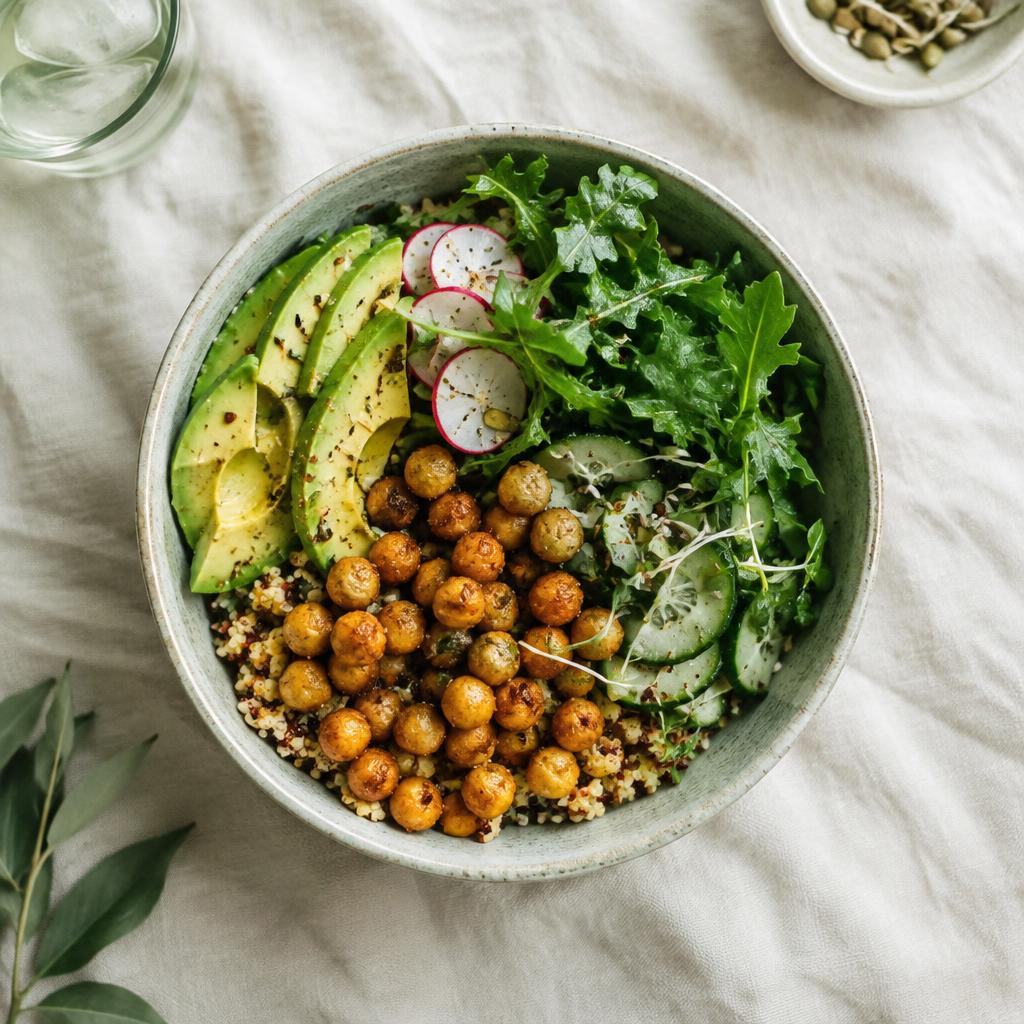
Vegetables, legumes, whole grains and protein keep you full on fewer calories than processed food.
Lots of volume and fibre for few calories.
Eggs, yoghurt, legumes, fish or chicken help control hunger.
Swap juice and soft drinks for water, tea or coffee without sugar.
Aim for 150+ minutes a week plus strength training twice a week.
Three meals plus two or three snacks a day.
Nuts, nut butters, olive oil, dates, avocado, whole milk and yoghurt.
Helps the extra energy build muscle, not just fat.
Losing just 5% of your body weight can already improve blood pressure, cholesterol and blood sugar — you don't need to reach an 'ideal' weight to benefit.
In 2022 more than 1 billion people worldwide were living with obesity.
Source: WHO / The Lancet 2024
43% of adults aged 18+ were overweight in 2022, and 890 million of them had obesity.
Source: WHO 2024
Worldwide adult obesity more than doubled between 1990 and 2022.
Source: WHO 2024
Obesity among adolescents aged 5–19 quadrupled from 1990 to 2022.
Source: WHO 2024
General information, not medical advice. Talk to a doctor before big changes, especially if you have a health condition.