Healthy Food

Supplements

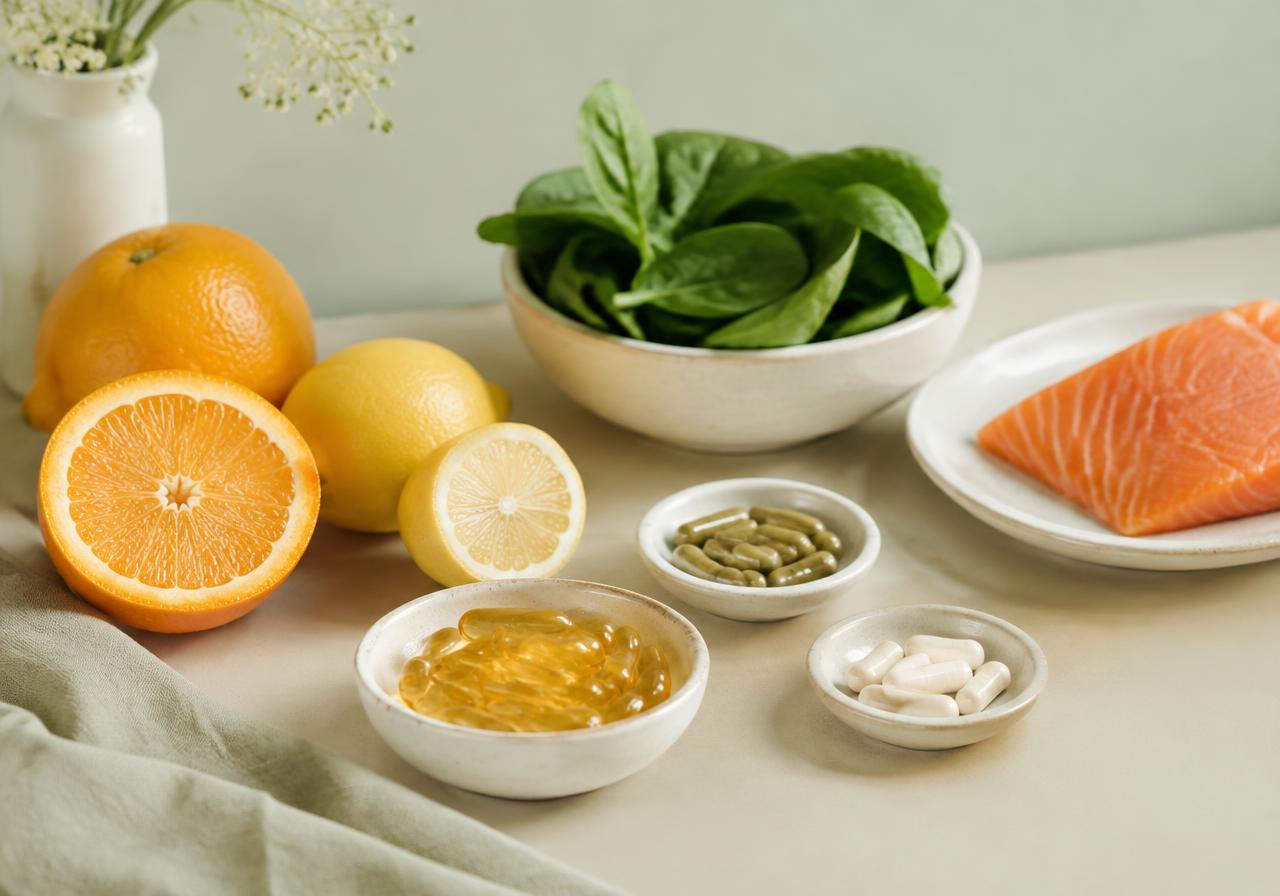
Most healthy people can get what they need from food. Some groups do benefit from specific supplements — here is what the evidence says.

Supplements at a glance

~1 in 2

US adults take at least one dietary supplement (CDC NHANES)

400 µg

folic acid daily is advised before and in early pregnancy

10 µg

vitamin D a day is the UK autumn/winter advice for everyone

0

multivitamins proven to prevent heart disease or cancer in healthy adults

Who may need what

Vitamin D

Common
Who
People with little sun, dark skin, covered clothing, older adults, breastfed babies.
Why
Needed for bones, teeth and muscles. Deficiency is common even in sunny countries.
Food sources
Oily fish, egg yolks, fortified milk and cereals.
Caution
Don't exceed 100 µg (4,000 IU) a day without medical advice.
Vitamin B12

Vegans
Who
Vegans, many people over 50, people on metformin or acid-reducing drugs.
Why
Needed for nerves and red blood cells; found almost only in animal foods.
Food sources
Meat, fish, eggs, dairy, fortified plant milks.
Caution
Low B12 can cause tiredness and nerve damage — get tested if unsure.

Iron

Who
Women with heavy periods, pregnant women, young children, people diagnosed with anaemia.
Why
Iron deficiency is the world's most common nutrient deficiency.
Food sources
Red meat, liver, lentils, chickpeas, spinach — with vitamin C to boost absorption.
Caution
Too much iron is harmful; only take it if a test shows you need it. Keep away from children.

Folic acid

Pregnancy
Who
Anyone who could become pregnant, and during the first 12 weeks.
Why
Greatly reduces the risk of neural-tube defects such as spina bifida.
Food sources
Leafy greens, legumes, fortified flour.
Caution
Start before conception for full benefit.

Omega-3 (fish oil)

Who
People who rarely eat oily fish.
Why
EPA and DHA support heart and brain; eating fish twice a week is the first choice.
Food sources
Salmon, sardines, mackerel; ALA from walnuts, flax and chia.
Caution
High doses may thin the blood — check with a doctor if you take blood thinners.

Calcium

Who
People who eat little dairy or fortified foods, some older adults.
Why
Bone health, especially with vitamin D.
Food sources
Milk, yoghurt, cheese, tahini, sardines with bones, fortified plant milks.
Caution
Food is preferred; very high supplement doses may raise kidney-stone risk.

Popular claims vs evidence

ClaimWhat the evidence says
Vitamin C prevents coldsIt doesn't prevent colds for most people; it may shorten them slightly.
Multivitamins make you live longerLarge studies show no clear benefit for healthy, well-fed adults.
Detox pills clean your bodyYour liver and kidneys already do this; there is no evidence for detox products.
Collagen powder rebuilds skinSome small trials show modest effects; many are industry-funded.
Natural means safeHerbal products can interact with medicines (e.g. St John's wort).

How to choose a supplement safely

Food first

Supplements fill gaps; they don't replace a balanced diet. Whole foods provide fibre and thousands of protective compounds no pill can copy.

World health facts

All facts
~2B

People lacking key micronutrients

Around 2 billion people lack essential vitamins and minerals such as iron, zinc, iodine and vitamin A.

Source: WHO

30%

Women 15–49 with anaemia

Nearly a third of women of reproductive age are anaemic, often due to iron deficiency.

Source: WHO 2023

40%

Young children with anaemia

About 40% of children aged 6–59 months worldwide have anaemia.

Source: WHO 2023

~1B

People low in vitamin D

Around a billion people are vitamin D deficient — common in the Middle East despite the sun, due to covered skin and indoor life.

Source: Nutrients reviews

Related articles

More in Eat Well

Sources

  • • NIH Office of Dietary Supplements fact sheets
  • • NHS Vitamins and minerals
  • • WHO antenatal care recommendations (2016)
  • • USPSTF vitamin review (2022)

General information based on public health sources, not medical advice. Talk to a doctor or registered dietitian before major changes, especially if you are pregnant, have a health condition or take medication.