
<10%
WHO limit for free sugars
Keep free sugars below 10% of daily energy — about 50 g (12 teaspoons) — and ideally below 5%.
Source: WHO 2015
A healthy diet protects against malnutrition and diseases such as diabetes, heart disease and stroke.
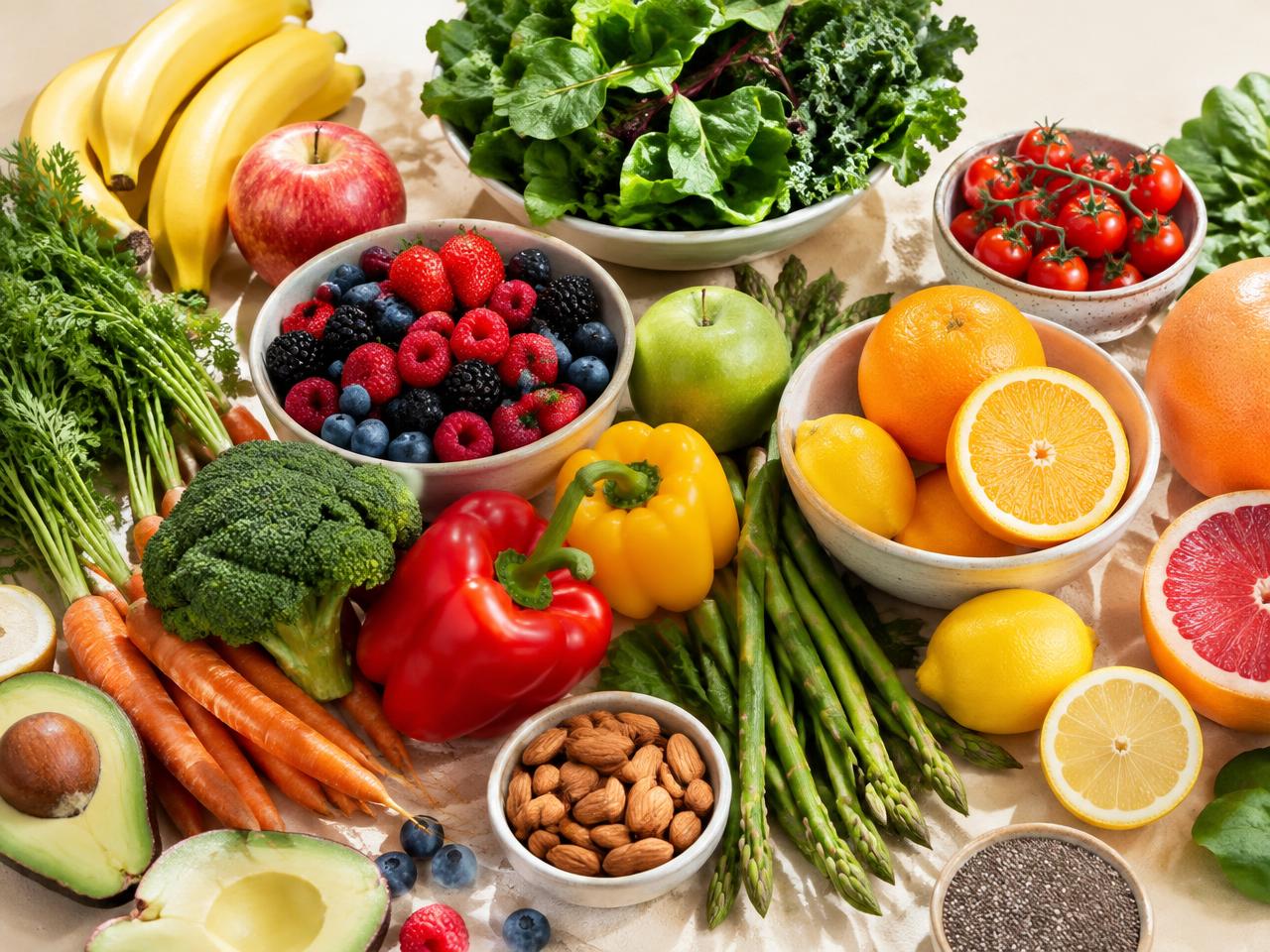
Variety and colour. Potatoes don't count.
Brown rice, oats, whole-wheat bread, quinoa.
Fish, legumes, poultry, nuts, eggs.
Legumes, whole grains and vegetables support digestion and keep you full.
Choose olive oil, nuts, seeds and fish over butter and fried foods.
Spread protein across meals to support muscles and recovery.
Dairy, fortified alternatives and leafy greens for strong bones.
Drink water regularly through the day, more when it's hot or you exercise. Choose water over sugary drinks.
of energy from free sugars (WHO)
salt per day
fruit and vegetables a day
of energy from saturated fat
Carries oxygen. Lentils, spinach, red meat; pair with vitamin C to absorb more.
Bones and immunity. Safe sunlight, eggs, oily fish, fortified milk.
Nerves and blood. Fish, eggs, dairy, meat; vegans may need a supplement.
Blood pressure. Bananas, tomatoes, potatoes, beans, yoghurt.
Most salt we eat is already in the food we buy — bread, cheese and processed meats — not from the salt shaker.
Keep free sugars below 10% of daily energy — about 50 g (12 teaspoons) — and ideally below 5%.
Source: WHO 2015
A 330 ml can of regular soft drink holds about 35 g of sugar — nearly a full day's limit.
Source: Nutrition labels / WHO
Adults should eat under 5 g of salt (one teaspoon) a day.
Source: WHO 2023
The global average is about 10.8 g a day — more than double the recommended limit.
Source: WHO 2023