400 g
Fruit & veg per day
WHO recommends at least 400 g (five portions) of fruit and vegetables daily.
Source: WHO 2020
Your gut is home to trillions of microbes that help digest food, train your immune system and even talk to your brain. What you eat feeds them.
bacteria live in the human body, mostly in the gut
of the immune system's cells are linked to the gut
different plant foods a week linked to a more diverse microbiome
of the body's serotonin is made in the gut
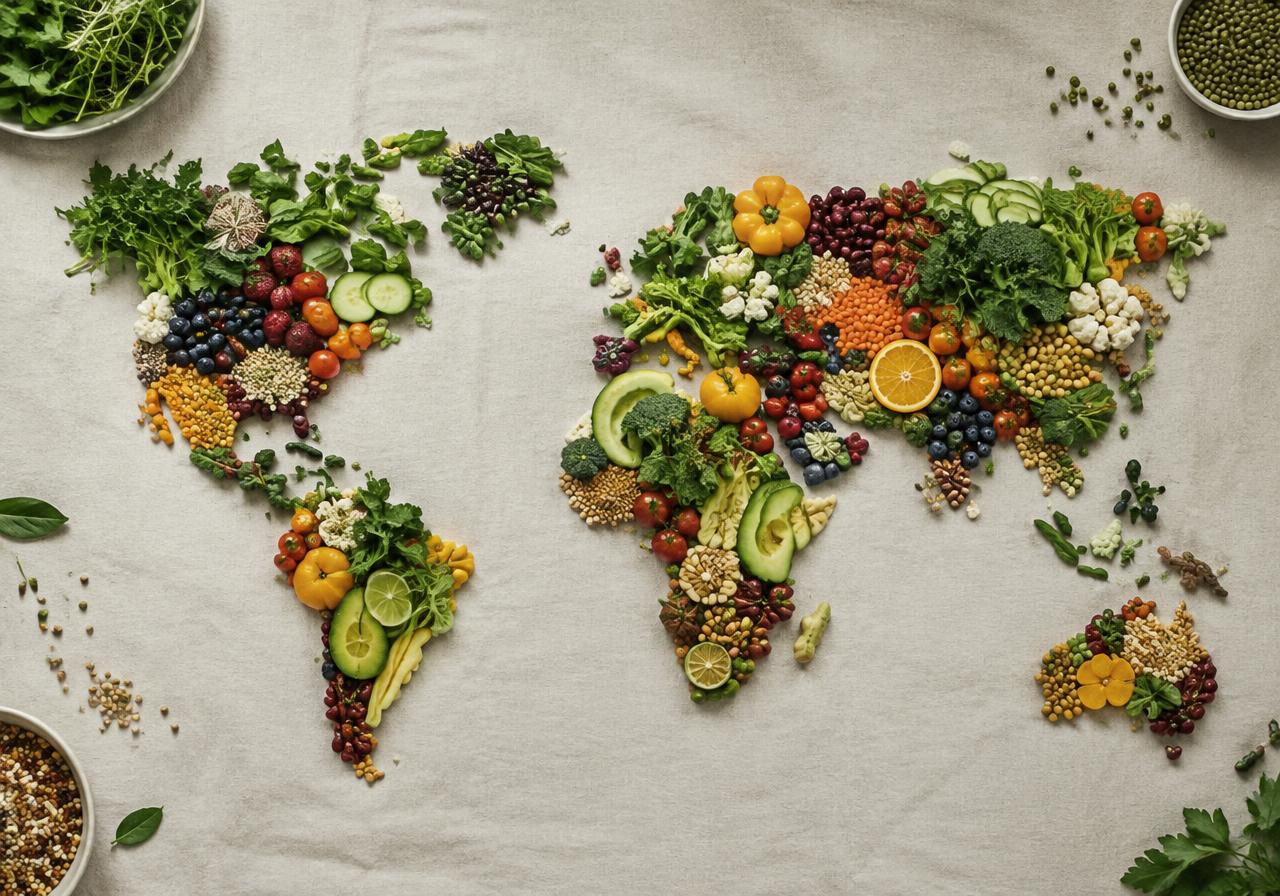
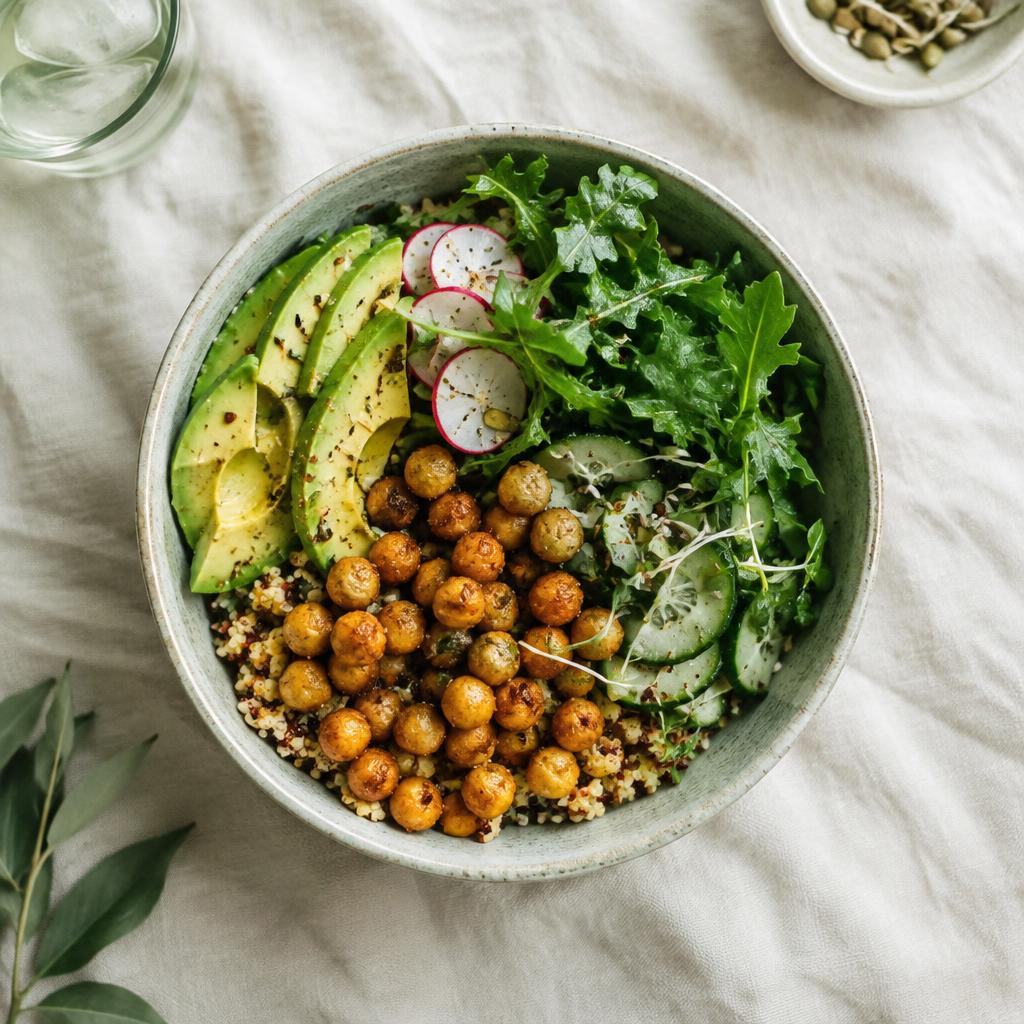
Whole grains, legumes, vegetables, fruit, nuts and seeds are the main food for gut microbes.
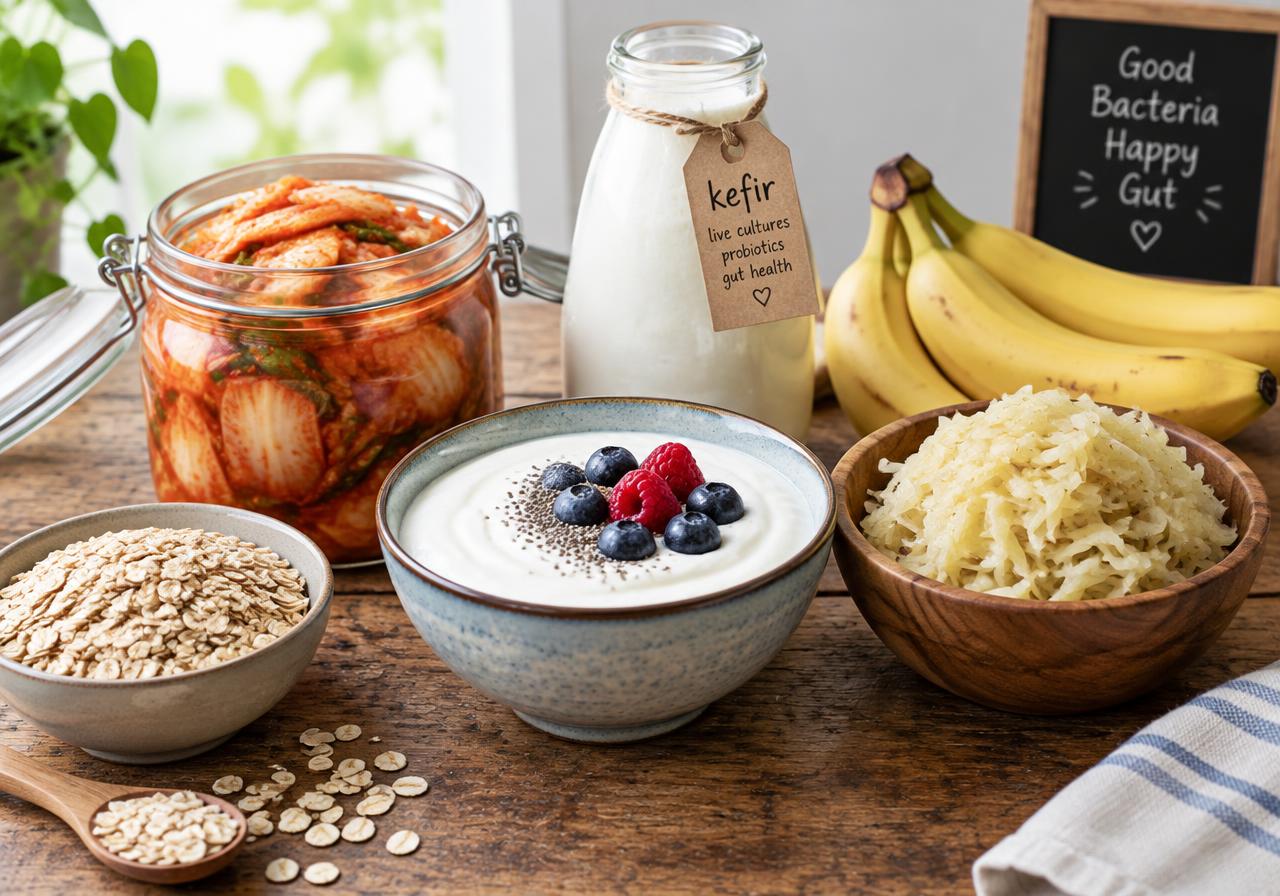
Onions, garlic, leeks, bananas, oats and asparagus contain fibres that feed good bacteria.
Live yoghurt, laban, kefir, kimchi, sauerkraut and miso add helpful live microbes.
Aim for many different plants each week — herbs, spices, nuts and seeds all count.
Berries, olive oil, green tea, cocoa and coffee feed microbes and reduce inflammation.
Fibre needs water to keep things moving.
Evidence is strongest for specific strains in specific cases, like some antibiotic-related diarrhoea. For most people, a fibre-rich diet with fermented foods is the better daily choice.
WHO recommends at least 400 g (five portions) of fruit and vegetables daily.
Source: WHO 2020
Low fruit and vegetable intake was linked to about 3.9 million deaths in 2017.
Source: WHO
Too few whole grains was the leading dietary risk for death worldwide, ahead of sugar.
Source: GBD, The Lancet 2019
Adults should get at least 25 g of natural fibre a day from vegetables, fruit, legumes and whole grains.
Source: WHO 2023
General information based on public health sources, not medical advice. Talk to a doctor or registered dietitian before major changes, especially if you are pregnant, have a health condition or take medication.