400 g
Fruit & veg per day
WHO recommends at least 400 g (five portions) of fruit and vegetables daily.
Source: WHO 2020
Healthy lunch ideas for work, home and school — packed lunches, meal-prep boxes and quick hot lunches, with calories and protein for each.
Last reviewed: October 2026 · How we check our content
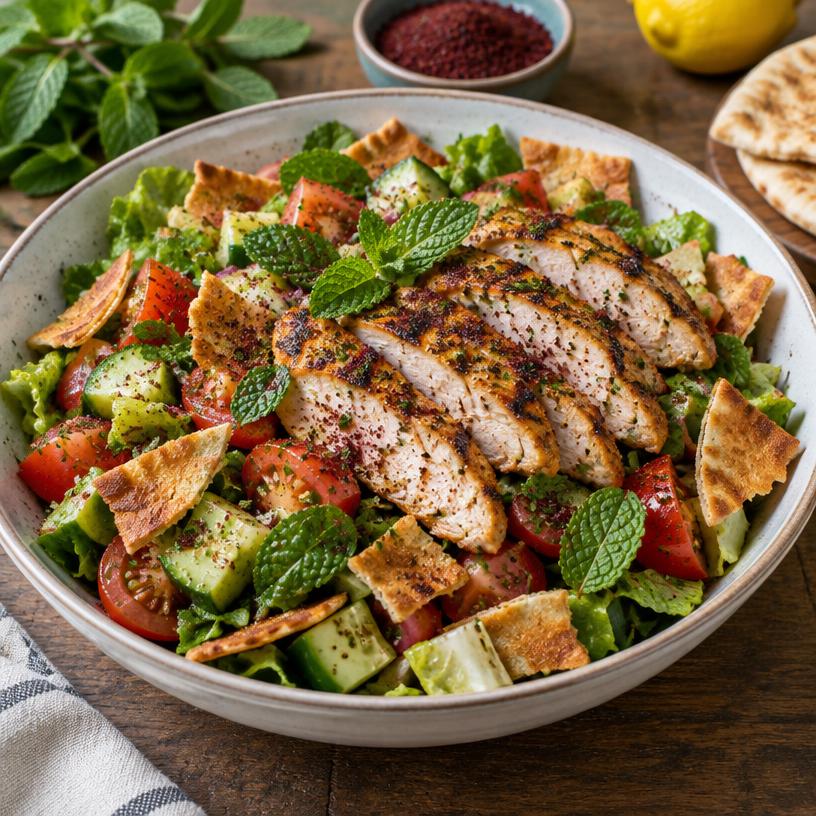
a sensible lunch for most adults
protein helps you stay full all afternoon
portions of vegetables or fruit is an easy lunch target
salt a day is the adult maximum — many shop sandwiches use a third
| Lunch | kcal (approx.) | Protein |
|---|---|---|
| Chicken, quinoa, roasted veg and feta box | ~520 | ~35 g |
| Tuna, bean and sweetcorn salad with wholemeal pitta | ~480 | ~32 g |
| Hummus, falafel and salad wholemeal wrap | ~500 | ~18 g |
| Leftover chilli with brown rice | ~520 | ~32 g |
| Egg, spinach and new potato salad | ~430 | ~22 g |
| Soba noodle salad with edamame and tofu | ~480 | ~24 g |
| Lunch | kcal (approx.) | Protein |
|---|---|---|
| Jacket potato with baked beans and a little cheese | ~480 | ~20 g |
| Lentil soup with a wholemeal roll | ~420 | ~18 g |
| Scrambled eggs, smoked salmon and rye toast | ~450 | ~30 g |
| Cottage cheese, oatcakes, cherry tomatoes and an apple | ~400 | ~22 g |
Cook a tray of grains and roasted vegetables on Sunday, then add a different protein each day for 4 quick lunches.
WHO recommends at least 400 g (five portions) of fruit and vegetables daily.
Source: WHO 2020
Low fruit and vegetable intake was linked to about 3.9 million deaths in 2017.
Source: WHO
Too few whole grains was the leading dietary risk for death worldwide, ahead of sugar.
Source: GBD, The Lancet 2019
Adults should get at least 25 g of natural fibre a day from vegetables, fruit, legumes and whole grains.
Source: WHO 2023
A box with a protein (chicken, fish, eggs, beans or tofu), wholegrains and plenty of vegetables, around 400–600 kcal.
Some can be. Choose a wholemeal sandwich or salad with protein, fruit or vegetables as the snack and water instead of a sugary drink, and check the salt traffic light.
A starchy food, a protein, a portion of fruit or vegetables, a dairy food and a drink of water or milk.
General information based on UK public health sources, not medical advice. Calorie and nutrient figures are approximate. Speak to your GP or a registered dietitian before major diet changes, especially if you have a health condition such as kidney disease.